Crafty Transformations: Breathe New Life into Old Objects through Upcycling
Upcycling, also known as creative reuse, is an inspiring way to transform old objects into something new, often with greater value or enhanced utility. This sustainable practice is rapidly gaining traction among eco-conscious communities and those who adore do-it-yourself (DIY) projects. Delving into crafty transformations, this article will guide you through creative ideas, practical techniques, and the environmental benefits of upcycling. Whether you're a seasoned crafter or just beginning your upcycling journey, discover how you can give your everyday items a brilliant second life.
What is Upcycling?
Upcycling refers to the process of taking old, unused, or even discarded items and transforming them into something practical, decorative, or both. Unlike recycling--which involves breaking down materials to produce new raw materials--upcycling enhances the original object's value without the need for significant energy or material input. This inventive process not only reduces waste but also sparks creativity and encourages sustainable living.
Upcycling vs. Recycling: Understanding the Difference
- Recycling: Involves breaking down products to reclaim raw materials. For instance, plastic bottles are melted and reformed into new plastic products.
- Upcycling: Focuses on transforming items in their current form. Old suitcases become stylish chairs, mason jars become lamps, and so on.
The essence of crafty transformations in upcycling is adding creative flair and value by repurposing rather than breaking things down to their base components.
Why Choose Crafty Transformations and Upcycling?
Environmental Benefits
- Reduces landfill waste: By upcycling objects, you keep them out of the trash and extend their life cycle.
- Conserves resources: No need for new materials or energy involved in recycling processes.
- Promotes sustainability: Upcycling encourages mindful consumption and creative re-use.
Personal and Creative Rewards
- Uniqueness: Each upcycled creation boasts its own history and character, making your home or workspace truly one of a kind.
- Savings: Upcycling is cost-effective; it allows you to create new pieces out of materials you already have.
- Skill Development: Transforming old items enhances your crafting, problem-solving, and artistic skills.
Popular Upcycling Ideas: Transforming Everyday Items
If you're searching for DIY upcycling inspiration, look no further. Here are some crafty transformations that will breathe new life into common household objects:
1. Furniture Makeovers
Old furniture often ends up on the curb, but with a splash of paint, new upholstery, or creative stenciling, it can become a striking statement piece. For example, an antique dresser can be upcycled into a modern bathroom vanity, or a worn-out chair can be re-padded and re-covered in bold fabric.
- Paint and distress wooden tables for a rustic look.
- Repurpose drawers into floating shelves or planters.
- Reupholster chairs using vibrant, recycled fabrics.
2. Jar and Container Upcycling
Mason jars, bottles, and tins are a crafter's staple. With some imagination, these can be turned into unique upcycled home decor or functional objects:
- Turn mason jars into pendant lights, soap dispensers, or herb gardens.
- Reuse glass bottles as vases, terrariums, or candle holders.
- Upcycle tins into plant pots, pencil holders, or even mini-lanterns.
3. Textile Transformation
Old clothes, linens, and quilts can take on a second life through upcycling:
- Convert t-shirts into tote bags or pillow covers.
- Patch together fabric scraps for vibrant quilts or wall hangings.
- Use denim jeans to create sturdy aprons, baskets, or even rugs.
Through these crafty transformations, you not only preserve memories but also foster sustainable fashion and decoration.
4. Tech and Electronics Revamp
Don't toss out broken electronics--upcycle them into something new and fun:
- Use circuit boards for unique jewelry pieces or art.
- Transform vintage radios into Bluetooth speakers.
- Repurpose old keyboards into picture frames or office organizers.
Get technical with your crafty transformations and surprise yourself with what you can create!
Step-by-Step Guide to Upcycling Old Objects
Ready to try your own crafty transformation? Here's a comprehensive, easy-to-follow guide to help you upcycle almost anything:
Step 1: Select the Object
Look around your home, garage, or local thrift shop for old objects that could use a new lease of life. Consider materials such as wood, glass, metal, or fabric, as they are typically easy to work with for beginners.
Step 2: Clean and Prepare
- Ensure the item is clean, dry, and free from structural damage.
- If necessary, sand surfaces and remove any peeling paint or rust.
- Disassemble if you plan to use parts separately.
Step 3: Plan Your Transformation
- Search for DIY upcycling ideas online or sketch your own designs.
- Match your object with the desired function and style.
- Gather other necessary materials (paint, fabric, glue, hardware, etc.).
Step 4: Get Crafty!
- Follow your plan and start transforming your item. Take your time with details and allow paints or adhesives to dry thoroughly.
- Experiment with colors, finishes, and embellishments. Don't be afraid to make adjustments along the way.
- Document your process by snapping photos for before-and-after comparisons - it's inspiring for others and great for tracking your progress!
Step 5: Showcase Your Creation
- Display your upcycled object proudly in your home or office.
- Consider gifting your unique creation to friends and family.
- Share your crafty transformation on social media or at local craft fairs to inspire others.
Essential Tools and Supplies for Upcycling
Upcycling doesn't require an expensive toolkit, but investing in a few basic supplies will make your crafting process smoother and more enjoyable.
- Hand tools: Screwdrivers, pliers, hammers, and sandpaper.
- Paints and brushes: Acrylic or chalk paints work well for most surfaces.
- Glue and adhesives: For securing fabric, wood, or mixed materials.
- Sewing kit: Basic needle, thread, and scissors for textile work.
- Decorative supplies: Buttons, ribbons, decoupage materials, and stencils for artistic touches.
Tip: Build your upcycling kit slowly by picking up supplies at thrift stores, garage sales, or through local community swaps.
Upcycling Tips for Beginners
- Start Small: Tackle easy projects like jars, frames, or planters before moving on to bigger items.
- Be Patient: Upcycling is a creative process; don't rush. Enjoy the journey!
- Embrace Imperfections: The beauty of upcycled projects often lies in their quirky flaws and visible history.
- Stay Safe: Wear gloves, masks, or goggles when sanding, painting, or using adhesives.
- Research: Many online communities and tutorials can help you hone your skills and spark new ideas.
Success Stories: Inspiring Upcycling Transformations
Many individuals and communities have embraced crafty upcycling to make a difference. Here are a few remarkable examples:
- Shipping pallet furniture: Creative upcyclers have designed everything from coffee tables to garden benches using discarded pallets.
- Suitcase chairs: Vintage suitcases have been transformed into comfortable, conversation-starting armchairs, perfect for eclectic home decor.
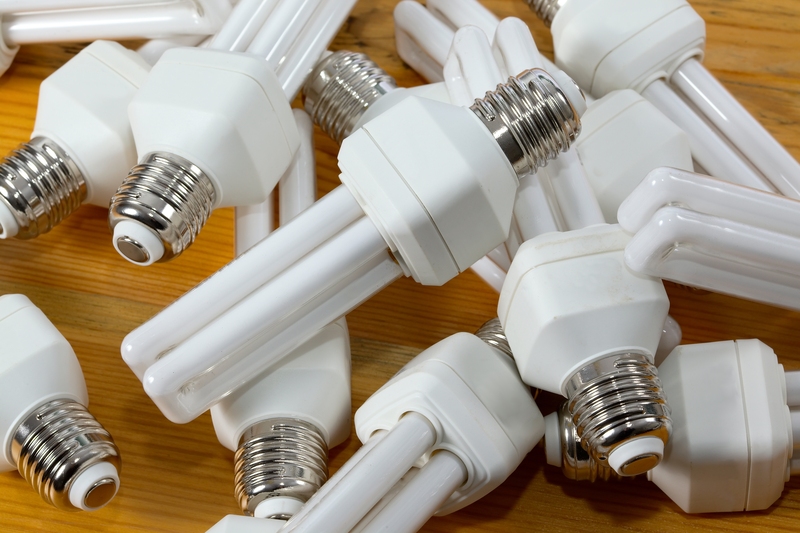
- Lightbulb vases: Old, burnt-out lightbulbs can be upcycled into delicate bud vases or hanging terrariums, adding charm to any room.
Such transformations illustrate the incredible potential that lies in everyday items--waiting only for a dash of imagination and some crafty know-how.
Environmental Impact: Upcycling for a Greener Planet
Every item you upcycle saves energy and resources that would otherwise go into manufacturing new products. Additionally, upcycling old objects significantly reduces the load on landfills and curbs pollution. By encouraging a culture of reuse over disposal, we collectively make a positive impact on the environment. Plus, teaching upcycling to future generations instills eco-friendly values and fosters a sustainable mindset.
Conclusion: Start Your Upcycling Journey Today!
Embracing crafty transformations and investing time in upcycling old objects is a rewarding step towards sustainability and creative self-expression. From practical household items to stunning works of art, the possibilities are truly limitless. So, before you throw something away, imagine what it could become. With a bit of inspiration, some elbow grease, and a touch of creativity, you can breathe new life into the most unlikely items. The world of upcycling awaits--why not start your next crafty transformation today?
Ready to get started? Grab an old object, unleash your imagination, and join the upcycling movement for a brighter, greener future!