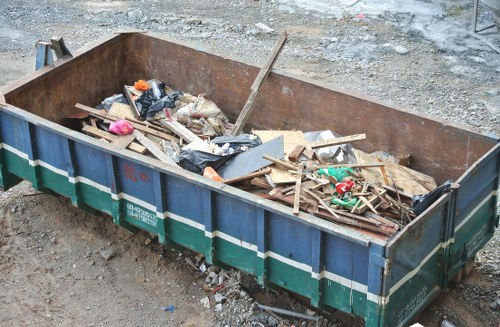
 Complaints Procedure for Alperton Skip Hire
Purpose: This complaints procedure explains how customers and stakeholders can raise concerns about skip hire, rubbish collection and waste removal services provided by Alperton Skip Hire. It sets out the principles we follow, how complaints are handled, the expected timeframes and the remedies that may be offered. The policy is intended to be fair, accessible and transparent for anyone using our skip hire services.
Scope and application
This procedure applies to all enquiries and formal complaints relating to skip delivery, collection, on-site conduct by crew, contamination issues, permit or placement disputes, and other waste management services delivered by the company. It covers private and commercial bookings within our operational area and applies equally to reported concerns about performance, safety and service quality. It is not a substitute for emergency reporting or urgent safety incidents.
 Key definitions
Complaint — any expression of dissatisfaction about a service or outcome. Complainant — the person or organisation bringing the concern. Resolution — the outcome agreed to address the complainant's concern. These terms help ensure consistent handling and are used throughout this document to describe stages in the process.
How to raise a concern
To raise a concern about a skip hire or rubbish removal service, please use the customer service channels associated with your booking or account. Provide clear detail about the booking reference, location, date and a concise description of the issue. While this page does not include contact details, complaints should be submitted using the same channel you used to arrange the service, your account portal where available, or the customer service route provided at the time of booking.
 Acknowledgement and initial response
Acknowledgement: Upon receipt of a complaint we aim to confirm we have received it within three working days. Initial assessment: the complaint will be logged, assigned a unique reference and allocated to an investigator or manager. The acknowledgement will outline the next steps and the expected timeframe for a full response.
Timeframes for a full response vary with complexity. For routine matters we aim to provide a substantive response within fifteen working days. For issues requiring site visits, third-party input or further technical analysis we will keep the complainant informed and provide interim updates as needed. Where a longer investigation is necessary we will explain why and give an estimated completion date.
Investigation process
Investigations are conducted impartially and may include: a review of booking and service records, interviews with staff or drivers, site inspection photographs, waste load audits and a review of any permit or access constraints. We may request additional information from the complainant to support the investigation. All relevant evidence is considered before a decision on resolution is made.
Resolution options and remedies
Possible outcomes may include the following, depending on the nature and severity of the issue:
- Service correction — a repeat collection or delivery where service delivery failed;
- Financial adjustment — partial refunds or credits where appropriate;
- Operational changes — changes to staff procedures, driver briefings, or vehicle deployment to prevent recurrence;
- Apology and explanation — a formal acknowledgement and description of steps taken to address the root cause.
Where a complaint raises broader operational or safety concerns, we will treat it as a matter for immediate review and may suspend certain activities while corrective actions are implemented. Remedies are designed to be proportionate, practical and focused on restoring confidence in our skip hire and rubbish collection services.
 Escalation and independent review
If a complainant is dissatisfied with the outcome, an internal escalation process is available. Requests for escalation are reviewed by a senior manager who was not part of the original investigation. In certain cases, and where permitted by applicable arrangements, complainants may seek an independent review from an external adjudicator or alternative dispute resolution (ADR) service. Such options will be considered in line with relevant terms and availability.
 Record keeping, confidentiality and continuous improvement
All complaints are recorded and retained for a defined period to support audit, compliance and continual improvement activities. Records include the complaint details, investigation notes, evidence gathered and the final outcome. We treat personal information with confidentiality in accordance with data protection principles and limit access to those involved in the complaint handling process.
Monitoring and learning: Complaints inform training, operational reviews and risk assessments. Trends are analysed periodically so we can improve our skip hire processes, reduce service failures and enhance the quality of our rubbish removal and waste management operations. Procedure reviews are carried out regularly to maintain effectiveness and compliance with applicable standards.
Limits and timescales: Complaints should normally be raised within a reasonable period after the event to allow effective investigation. We may not be able to investigate issues raised long after the service was provided if evidence is no longer available. This procedure does not restrict any legal rights a complainant may have, but it does provide a formal and transparent route for resolving operational concerns.