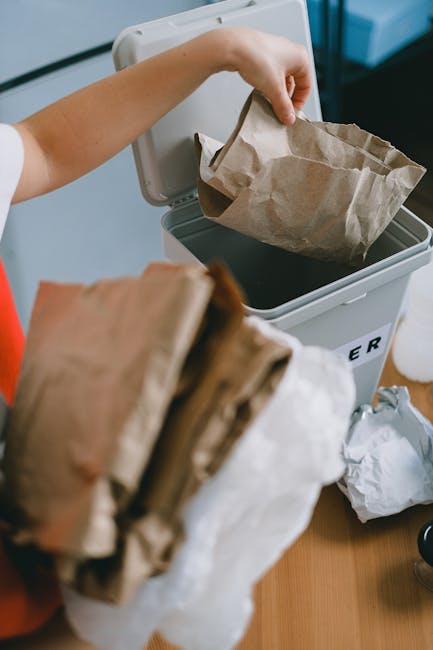
Ealing Road Household Rubbish Collection Tips Alperton

If you live near Ealing Road in Alperton, household rubbish can build up faster than you expect. One week it is a broken chair, the next it is bagged clutter from the spare room, old kitchen bits, or a small pile after a tidy-up that somehow turned into a full weekend project. This guide to Ealing Road Household Rubbish Collection Tips Alperton is designed to help you sort waste safely, avoid common mistakes, and choose the most practical collection option for your home.
Whether you are clearing a flat, dealing with bulky furniture, or just trying to stay on top of everyday waste, the best approach is usually the one that keeps things simple, legal, and low-stress. Let's face it, nobody wants rubbish hanging around longer than necessary. Below you will find clear advice on planning, separation, disposal methods, safety, and the local decisions that matter most.
Quick takeaway: start by separating normal household waste from bulky, recyclable, and restricted items; then choose the most suitable collection method based on volume, access, timing, and whether anything needs specialist handling.
Why Ealing Road Household Rubbish Collection Tips Alperton Matters
Ealing Road sits in a busy part of Alperton, so rubbish collection is not just about convenience. It is about keeping homes manageable, shared entrances tidy, and waste moving out of the way before it becomes an issue. If you have ever tried to carry a sofa past a narrow hallway or a stack of bin bags through a tight stairwell, you already know the practical side of it.
Good household rubbish collection tips matter for a few reasons. First, they help you avoid unnecessary costs. Second, they reduce the chance of damage to your property or the building. Third, they make it easier to separate recyclable items from general waste, which supports better disposal outcomes. And finally, they simply save time. That sounds obvious, but in real life a little planning prevents a lot of faffing about later.
For people living in flats, terraces, converted houses, or shared accommodation around Ealing Road, the stakes can be higher. Space is often limited. Access may be awkward. Neighbours may be affected if waste is left in common areas. So a sensible collection plan is less of a nice-to-have and more of a basic household routine.
How Ealing Road Household Rubbish Collection Tips Alperton Works
At a practical level, household rubbish collection starts with sorting. You decide what stays in regular bins, what can be reused or donated, what needs recycling, and what must be removed separately. Once that is clear, you can match the waste to the right collection method.
For smaller amounts, bagging and timed disposal may be enough. For bulky items, mixed waste, or a home clearance, you may need a dedicated service such as domestic skip hire or rubbish removal. If access is tight or you want to avoid a skip on the road, wait and load skip hire can be a smart option because the waste is loaded quickly while the vehicle remains attended. That can be especially useful on busy residential roads. Not glamorous, but effective.
Where heavier items are involved, such as wardrobes, appliances, or piles from a loft or garage clean-out, you may need a slightly different plan. It helps to think in categories: general household waste, recyclable materials, bulky furniture, electrical items, garden waste, and anything that needs specialist care. The cleaner your categories, the easier the rest becomes.
Most collection methods follow a similar flow:
- Identify the type and amount of rubbish.
- Check whether anything is restricted or hazardous.
- Choose the right disposal route.
- Prepare items for collection and easy access.
- Arrange the collection date or delivery window.
- Make sure the waste is handled and removed responsibly.
That is the basic skeleton. The real value comes from making each step a bit smarter.
Key Benefits and Practical Advantages
When you handle household rubbish properly, the benefits are immediate and surprisingly noticeable. The home feels calmer. Hallways open up. You stop tripping over things that were supposed to be dealt with "next weekend".
One of the biggest advantages is better space management. Whether you are in a family home or a compact flat, rubbish takes up mental as well as physical room. Clearing it out gives you a proper reset. Another benefit is safety. Loose rubbish, broken furniture, and overloaded bags can create trip hazards or block exits. In a building with shared access, that matters even more.
There is also a financial angle. Choosing the right collection method from the start can prevent duplicate handling, extra trips, or paying for the wrong kind of service. A bit of planning up front usually beats trying to improvise with a pile of bags in the rain. And yes, that tends to happen on a Sunday afternoon for some reason.
On the sustainability side, sorting your waste properly can support more recycling and less unnecessary landfill use. If you want to make more environmentally mindful choices, it is worth looking into recycling and sustainability as part of your wider waste strategy.
Who This Is For and When It Makes Sense
This kind of advice is useful for a broad mix of households. It is not only for people doing a big clear-out. In fact, small, regular decisions often matter just as much.
You may need these tips if you are:
- moving home and trying to reduce what you take with you
- clearing a loft, garage, or spare room
- replacing furniture or broken appliances
- managing rubbish after decorating a room
- dealing with shared household waste in a flat or house share
- preparing for visitors, landlords, or end-of-tenancy checks
- handling household clutter that has gradually got out of hand
It also makes sense if you have awkward access. On Ealing Road and nearby streets, properties can vary a lot. Some have easy driveways. Others have limited parking, shared entrances, or tight front paths. Those details matter more than people expect. A collection plan that looks fine on paper can become annoying in real life if the lorry cannot stop nearby or if bags are hard to reach.
If your household waste is mixed with heavier or more awkward items, it may be worth considering man and van support for smaller clearances or skip hire if you have a larger volume to remove. The right choice depends on the amount, the access, and how quickly you want it gone.
Step-by-Step Guidance
If you want a simple system, use this approach. It works well for most households and avoids a lot of avoidable mess.
1. Walk the property first
Before lifting anything, do a quick scan of the rooms, hallway, shed, loft, or storage spaces. Make a rough list of what needs to go. You do not need a spreadsheet. Just a clear picture. Is it mostly bags? Bulky items? A combination? That answer drives everything else.
2. Sort waste into practical groups
Split items into broad categories:
- general household rubbish
- recyclable materials
- bulky furniture
- appliances and electricals
- garden or outdoor waste
- items that may need specialist disposal
If you are unsure about what can be mixed together, it helps to check what can go in a skip before loading anything. That one page can save a lot of mistakes.
3. Separate anything restricted
Some items should never be bundled into ordinary household rubbish without checking first. That includes chemicals, paint, batteries, some electricals, and anything that could be considered hazardous. If you suspect an item needs special handling, pause and confirm the right route. Do not just hide it under a bin bag and hope for the best. That rarely ends well.
4. Measure the volume honestly
People often underestimate waste volume. A few bags beside a sofa can suddenly become a full load once it is all pulled together. Try to judge by space rather than by memory. Is it a car boot job, a trailer-sized job, or something more substantial? This is where a quick check of skip sizes and prices can help you choose without overpaying for space you will not use.
5. Check access and timing
Think about where a vehicle can stop, how far waste needs to be carried, and whether neighbours or traffic are likely to make loading awkward. Early morning and school-run times can be a headache on busy roads. Sometimes a short, well-timed collection window is better than an all-day arrangement.
6. Choose the collection method
For straightforward domestic waste, a dedicated collection service may be ideal. For mixed or bulky loads, a skip can work well if you have enough space and permission. For quicker loading without leaving a container in place, wait-and-load may be more practical. If you want a fast, direct solution, you can also look at same day skip hire where availability and access allow.
7. Prepare the items
Flatten boxes, remove loose contents from drawers, and tape doors shut on cabinets if needed. For items like fridges or freezers, make sure they are emptied and defrosted where appropriate. If you are dealing with appliances, fridge and appliance removal is often the safer route than trying to manage them as standard household waste.
8. Load safely and steadily
Do not rush. Heavy items should go first if you are using a container, followed by lighter waste that fills the gaps. Try to keep paths clear while loading. It sounds basic, but one wobbling bag in the wrong place can turn a neat plan into a mildly chaotic one.
9. Confirm final disposal choices
Once collected, make sure the service used is aligned with responsible disposal and recycling practice. A reputable provider should be clear about waste handling and safety. If you are reviewing a provider, it can also be sensible to check their health and safety policy and insurance and safety information.
Expert Tips for Better Results
The difference between an easy collection and a frustrating one usually comes down to the small stuff. In our experience, the following habits make a real difference.
- Do a pre-sort the night before. It keeps the collection day calm and avoids last-minute decisions.
- Keep heavy items separate. A mixed pile is harder to handle safely and can slow everything down.
- Use proper bags and boxes. Torn bags create litter trails, and nobody wants that drifting down the street.
- Leave a clear loading path. The straighter the route, the faster the job.
- Think about noise and neighbours. Early loading is fine, but dragging metal or banging doors at 7 a.m. is not the best look.
- Plan for the awkward item first. A single old mattress or broken fridge often shapes the whole removal plan.
Another useful tip: if you are clearing multiple rooms, work from back to front. Start in the least-used room, then move through the property in a logical order. It feels slower at first, but it keeps the main living areas usable for longer.
If you have paperwork, bank statements, or confidential files mixed into the clutter, do not toss them in with general waste. A separate secure route such as confidential shredding is much better than guessing.
Common Mistakes to Avoid
Household rubbish collection goes wrong in fairly predictable ways. The good news is that most mistakes are easy to avoid once you know what to watch for.
- Mixing prohibited items with general waste. This includes hazardous materials and certain electricals.
- Underestimating volume. The "just a few bags" problem is extremely common.
- Ignoring access. A collection vehicle still needs somewhere safe to stop.
- Leaving items unsorted. This wastes time and can create extra handling charges.
- Assuming all furniture is the same. A bulky wardrobe is not the same as flat-pack shelving.
- Forgetting about permits or placement issues. If a container is on public land, permits may be relevant.
- Not checking specialist items. Mattresses, appliances, and awkward waste need more thought than a black bag.
One common issue on residential roads is timing. People arrange a collection, then realise the road is full of parked cars or there is no easy access because of a delivery van. It is a small thing, but it can throw off the whole day. A little planning really does save hassle.
Tools, Resources and Recommendations
You do not need a van full of equipment to manage household rubbish well. A few simple tools make the process much easier.
- Heavy-duty refuse sacks for bagged waste
- Strong gloves for handling sharp or dusty items
- Tape and marker pens for labelling boxes or grouping items
- A trolley or sack truck if you have bulky items to move safely
- Blankets or sheets to protect floors and door frames during moving
- Storage tubs to separate items before final disposal
For bigger clearances, it can help to compare disposal methods before you commit. A service such as mattress and sofa disposal may be more appropriate for awkward bulky items, while house clearance can suit more comprehensive domestic projects. If the project is broader still, garage and loft clearance is often the right fit for old storage spaces that have become a bit of a time capsule.
If you are comparing ways to remove waste from a property, it is worth exploring waste recycling services alongside general collection options. Sometimes the best answer is not just removal, but removal plus sorting in a way that keeps reusable or recyclable material in the right stream.
Law, Compliance, Standards, or Best Practice
Household rubbish collection in the UK is tied to basic duties of care and common-sense compliance. You do not need to become a waste lawyer, thankfully, but you should understand the basics.
First, waste should be handled in a way that does not create hazards for neighbours, pedestrians, or collection crews. That means keeping routes clear, avoiding obstruction, and not leaving loose waste where it can blow away or spill. Second, restricted items should be treated properly. Batteries, chemicals, paint, oils, and some electricals need special attention. Third, if you are using a skip or container on a public road, permit requirements may apply depending on placement. In those cases, it is sensible to review skip hire permits or skip permits before you book.
For responsible domestic disposal, best practice is simple: separate waste where possible, avoid contamination, and use a provider that is transparent about handling and safety. If you are unsure about whether an item is accepted, ask before collection rather than after. That is the cleaner way to do it, frankly.
It is also good practice to use a provider that can explain payment, terms, and security clearly. You may not think about that when you are staring at a pile of old furniture, but it matters. If you want to understand how a company handles customer information and payments, pages such as payment and security, terms and conditions, and privacy policy can be useful signals of a well-run operation.
Options, Methods, or Comparison Table
Choosing the right collection method usually comes down to volume, access, and how quickly you need the waste gone. Here is a simple comparison to help narrow it down.
| Method | Best for | Pros | Watch outs |
|---|---|---|---|
| Bagged household collection | Small to moderate everyday waste | Simple, flexible, low effort | Not ideal for bulky or heavy items |
| Domestic skip hire | Larger clear-outs and mixed loads | Good capacity, works well for DIY-style clearances | Needs space and may involve permits |
| Wait and load | Properties with tight access or no skip space | No container left behind, quick turnaround | Requires waste to be ready fast |
| Rubbish removal | General domestic waste and bulky items | Hands-off, convenient for the homeowner | May be less efficient for larger volumes |
| Appliance or specialist removal | Fridges, white goods, sofas, mattresses | Safer for awkward items, more suitable handling | May need separate booking or item-specific service |
If your household job is larger than expected, remember that services like grab hire services or grab lorry hire can be useful for bulky mixed waste, especially where loading access is tricky. For very small one-off removals, man and van can be enough. Different jobs, different tool, simple as that.
Case Study or Real-World Example
Here is a realistic example from the sort of job many households near Ealing Road face.
A family in a first-floor flat decides to clear a spare room that has become a storage overflow area. The room contains old boxes, two broken bedside tables, a mattress, some flat-pack packaging, and a few bagged odds and ends. At first glance it looks like "not much". Then the bags are moved into the hallway and, suddenly, the scale of it becomes clearer. A bit more than expected. Funny how that happens.
Instead of trying to squeeze everything into the regular bins over several weeks, they sort the waste into four groups: general rubbish, cardboard, furniture, and the mattress. Because access is tight and there is no room for a skip outside, they choose a short, attended removal method and arrange the items so they can be loaded quickly from the front entrance. The cardboard is flattened, the mattress is kept separate, and the furniture is moved into the hall in the correct order.
The result is straightforward: less disruption, no blocked stairwell, no repeated trips, and a room that is usable again the same day. That is usually what people are aiming for, even if they do not say it out loud.
For larger home projects, a different route might be better. If the loft, garage, and garden are all involved, you may need a broader solution such as site clearance or a combination of domestic services, depending on the type of waste and access.
Practical Checklist
Use this quick checklist before arranging household rubbish collection in Alperton.
- Have I sorted waste into clear categories?
- Are there any hazardous or restricted items?
- Do I know the approximate volume?
- Is access clear for loading or collection?
- Have I checked whether a permit may be needed?
- Are bulky items separated from bagged waste?
- Have I considered whether skip hire, wait and load, or rubbish removal is the best fit?
- Are appliances, sofas, or mattresses being handled through the right route?
- Have I protected floors, doors, or shared areas if items need moving through the property?
- Do I understand the provider's terms, payment, and safety information?
If you can tick most of those off, you are usually in good shape.
Conclusion
Good household rubbish collection is less about brute force and more about making sensible choices early. For Ealing Road households in Alperton, that means understanding what you have, choosing the right disposal route, and keeping access, safety, and compliance in mind from the start. A tidy plan almost always beats a last-minute scramble.
Whether you are clearing a single room or dealing with a bigger domestic reset, the smartest route is the one that matches the waste, the space, and the pace of your household. Do that well, and the whole process feels lighter. Less clutter, less stress, more room to breathe. Not a bad trade.
Get a free quote today and see how much you can save.
If you are still weighing up the best option, start with the practical details first and the choice usually becomes clearer. And if you are ever in doubt, it is worth speaking to a team that understands local access, waste types, and the realities of busy residential streets.
Frequently Asked Questions
What is the best way to arrange household rubbish collection near Ealing Road?
The best method depends on the amount and type of waste. Small loads may suit direct collection, while larger or mixed loads can be better handled through domestic skip hire or rubbish removal.
Can I put all household waste in one pile for collection?
Not ideally. Sort waste into general rubbish, recyclables, bulky items, and anything restricted or hazardous. That makes collection safer and helps avoid problems later.
Do I need a skip permit for household rubbish collection in Alperton?
Only if the skip is placed on public land or a location where a permit is required. If it is on private property, a permit may not be needed, but always check the placement rules before booking.
What should I do with old sofas and mattresses?
These are usually best handled separately through mattress and sofa disposal or a similar bulky-item service, rather than mixed in with general household waste.
How do I know whether a skip is the right size?
Estimate the volume of waste and compare it to the container size before booking. If you are unsure, looking at skip sizes and prices can help you avoid booking too little or too much.
Is wait and load suitable for homes on busy roads?
Yes, often it is. Wait and load can work well where there is no room to leave a skip or where access is limited. It is especially useful if the waste can be loaded quickly and the area is busy.
What items should never go in general household rubbish?
Hazardous materials, some batteries, chemicals, oils, and certain electrical items should not be thrown in without checking the proper disposal route first. If in doubt, ask before collection.
Can I get rid of appliances with household waste?
Sometimes not. Fridges, freezers, and other appliances often need specialist handling, so appliance removal is usually safer and more practical than standard waste disposal.
How can I reduce the cost of rubbish collection?
Sort waste properly, avoid mixing unwanted items with recyclables, measure the load accurately, and choose the right service for the job. A little organisation usually saves money.
What if I only have a few bags and one bulky item?
That is a common scenario. A small removal service or a targeted bulky-item collection may be more sensible than hiring a large skip.
How quickly can rubbish be collected?
Timing depends on the service and availability. In some cases, same day skip hire may be available, but it is always best to plan ahead where possible.
Who should I contact if I need help deciding?
Speak to a local waste team that can explain the options clearly and help you choose based on access, volume, and item type. A quick conversation often clears things up fast.